
INDEPENDENTLY REVIEWED – Last updated:
Written and fact-checked by VippHealth Editorial Team from FDA labeling and clinical references. About our editorial process
Joint Support Supplements
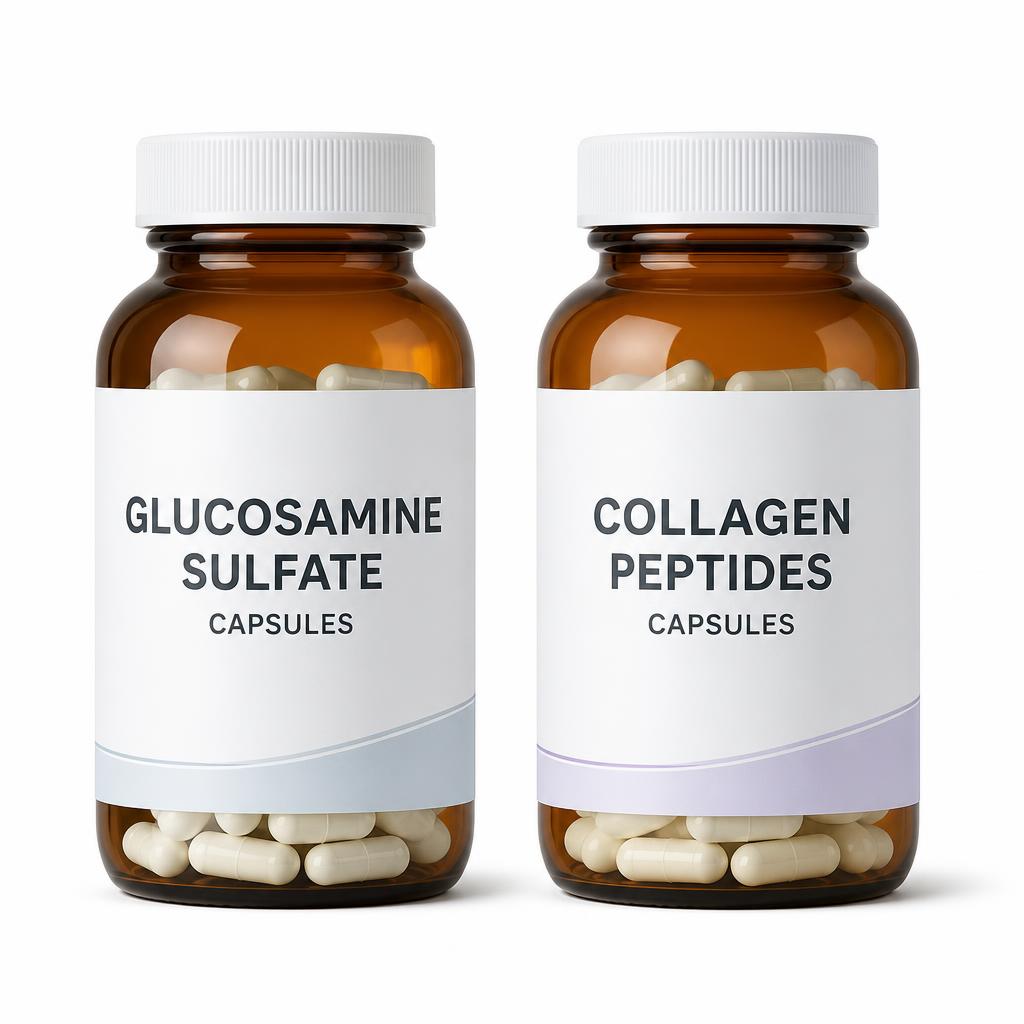
Joint support supplements contain glucosamine, chondroitin, MSM and collagen. They do not rebuild cartilage overnight. Most users take 1500mg glucosamine sulfate daily for 8 to 12 weeks before assessing results. These products are not FDA approved. Look for USP or NSF certified formulas.
Unlike prescription anti-inflammatories, joint support supplements work gradually. They support the body’s natural repair processes. They do not mask pain instantly. Athletes use them for recovery. Office workers use them for desk-related stiffness. Older adults use them for aging joints. Consumers should verify ingredient standardization and third-party testing before buying.
- Standard dose: 1500mg glucosamine sulfate plus 1200mg chondroitin daily
- Status: Over-the-counter dietary supplement, not FDA approved
- Primary warning: Shellfish allergy contraindicates most glucosamine sources
- Onset: 4 to 8 weeks for stiffness relief; cartilage benefits require 12 to 24 weeks
What Are Joint Support Supplements
Joint support supplements are dietary products designed to maintain joint health. They contain natural compounds found in cartilage, connective tissue and bone. The most researched ingredients are glucosamine sulfate, chondroitin sulfate, methylsulfonylmethane (MSM), undenatured collagen type II and curcumin.
Manufacturers combine these ingredients in various ratios. Some formulas target athletes. Others target seniors. A few focus on specific joints like knees or hips. The supplement industry is not regulated like pharmaceuticals. Potency varies between brands. Consumers should look for products with disclosed ingredient amounts. Avoid proprietary blends that hide specific milligrams.
How Joint Supplements Work
Joint supplements support cartilage maintenance through several pathways. They do not rebuild damaged joints overnight. Consistent use over months produces measurable effects.
Key mechanisms:
- Cartilage support: Glucosamine and chondroitin provide building blocks for proteoglycans. These molecules hold water in cartilage. This keeps joints cushioned.
- Inflammation modulation: Turmeric and boswellia inhibit COX-2 and NF-kB pathways. This reduces joint stiffness without stomach irritation.
- Collagen synthesis: Undenatured collagen type II triggers oral tolerance. This may reduce autoimmune attacks on joint tissue.
- Sulfur delivery: MSM provides organic sulfur. This supports collagen and keratin formation in connective tissue.
Turmeric and boswellia inhibit COX-2 pathways. This anti-inflammatory mechanism differs from adaptogens such as ashwagandha, which target the HPA axis.
Conditions Addressed by Joint Supplements
Joint supplements help with mild to moderate discomfort. They do not address severe structural damage or acute injury.
- Osteoarthritis stiffness: Morning stiffness in knees, hips or hands. Gradual wear of cartilage over years. Osteoarthritis affects 240 million people worldwide.
- Post-exercise soreness: Delayed onset muscle soreness around joints after intense training.
- Desk-related tension: Stiffness in lower back, neck and wrists from prolonged sitting.
- Aging joint changes: Reduced synovial fluid and cartilage thinning after age 40.
- Overuse patterns: Repetitive strain in elbows, shoulders and knees from manual labor or sports.
Joint Supplement Dosage and Strengths
Available Forms
Joint supplements come in several delivery formats. Your choice depends on absorption preferences and convenience.
- Glucosamine sulfate 1500mg tablets: Standard daily dose. Often combined with 1200mg chondroitin.
- MSM 1000mg to 3000mg capsules: Sulfur support for connective tissue. Often stacked with glucosamine.
- Collagen type II 40mg capsules: Low dose due to undenatured form. Triggers immune tolerance.
- Turmeric curcumin 500mg capsules: Anti-inflammatory support. Look for 95% curcuminoids.
- Liquid glucosamine 1500mg per 15ml: Faster absorption. Alternative for those who cannot swallow pills.
Standard Adult Dosing
Most studies use 1500mg glucosamine sulfate daily. This is the standard effective dose. Chondroitin is typically 800mg to 1200mg. MSM ranges from 1000mg to 3000mg. Collagen type II is effective at 40mg daily. Turmeric extracts use 500mg to 1000mg.
Take with food to reduce stomach upset. Split doses into morning and evening for better absorption. Consistency matters more than exact timing. Allow 8 to 12 weeks before judging effectiveness. Some users notice reduced stiffness in 4 weeks. Cartilage benefits require longer use.
Missed Dose Instructions
Take the missed dose when you remember. Skip it if the next dose is within 4 hours. Do not double the dose. Doubling increases stomach upset without improving joint support. Resume the normal schedule.
Glucosamine Sulfate vs Hydrochloride
Glucosamine sulfate is more effective in clinical studies. It contains sulfur. This supports cartilage structure. Glucosamine hydrochloride has more glucosamine per milligram but lacks sulfur. Studies favor sulfate for joint support. Choose sulfate unless you have a specific intolerance.
The American Academy of Orthopaedic Surgeons recommends against glucosamine sulfate as a treatment for knee arthritis. Their guideline cites high-quality systematic reviews. However, many patients still report subjective improvement. The evidence remains mixed.
Side Effects
Common Side Effects
Most users tolerate joint supplements well. Mild effects usually resolve within 1 week:
- Stomach upset or nausea
- Heartburn at high doses
- Diarrhea or loose stools
- Headache
- Skin rash in rare cases
Serious Side Effects
Stop taking the supplement and contact a doctor if you experience:
- Severe allergic reaction: difficulty breathing, hives, facial swelling
- Severe stomach pain with vomiting
- Signs of liver trouble: yellowing skin, dark urine, extreme fatigue
- Swelling in legs or ankles
- Unexplained bruising or bleeding
Who Should Not Take Joint Supplements
Do not use glucosamine if you have a shellfish allergy. Most glucosamine comes from shellfish shells. Vegetarian glucosamine exists but is less common. Do not use if you are pregnant or breastfeeding. Safety data is limited.
People with bleeding disorders should avoid high-dose MSM and turmeric. These may increase bleeding risk. Stop use 2 weeks before surgery. Diabetics should monitor blood sugar. Glucosamine may affect glucose metabolism. People with asthma should use caution. Some reports link glucosamine to asthma flare-ups.
Warnings and Precautions
Shellfish Allergy
Most glucosamine is derived from shellfish shells. The allergen protein is usually removed. However, sensitive individuals may react. Choose vegetarian glucosamine from corn fermentation if you have a shellfish allergy. Check labels for “crab”, “shrimp” or “shellfish-derived” warnings.
Blood Sugar
Glucosamine may raise blood sugar in some diabetics. Monitor glucose when starting. Adjust medication with your doctor if needed. The effect is usually mild. It resolves after stopping the supplement.
Surgery
Stop all joint supplements 2 weeks before surgery. MSM and turmeric may increase bleeding. Glucosamine may affect anesthesia response. Inform your surgeon about all supplements.
Drug Interactions
Joint supplements interact with several medication classes. Always provide your doctor with a complete list.
- Warfarin and blood thinners: Turmeric, MSM and chondroitin may increase bleeding risk. Monitor INR closely.
- Diabetes medications: Glucosamine may affect blood sugar. Monitor glucose.
- Chemotherapy drugs: Antioxidants in supplements may reduce drug effectiveness. Avoid during treatment.
- NSAIDs (ibuprofen, aspirin): Combining with turmeric increases stomach irritation risk.
- Acetaminophen: Generally safe. No direct interaction.
Patients taking multiple supplements, including melatonin for sleep, should provide a complete list to their doctor.
Joint Supplements and Pregnancy
Joint supplements are not proven safe during pregnancy. Glucosamine crosses the placenta in animal studies. Human data is lacking. Avoid use during conception, pregnancy and breastfeeding. The safety of chondroitin, MSM and collagen in pregnancy is unknown.
Overdose Information
Overdose symptoms include severe stomach upset, diarrhea, headache and drowsiness. There is no established lethal dose for glucosamine or chondroitin. Treatment is supportive. Hydration and rest. Contact poison control if you exceed 6000mg glucosamine in a single day. Do not induce vomiting.
How to Read a Supplement Label
Reading a joint supplement label prevents wasted money and unsafe ingredients. Follow these rules.
- Disclosed milligrams: Avoid proprietary blends. Look for exact glucosamine and chondroitin amounts.
- Glucosamine sulfate: More effective than glucosamine HCl in clinical studies.
- Third-party testing: USP verified or NSF certified seals indicate quality control.
- Shellfish source: Most glucosamine comes from shellfish. Choose vegetarian if allergic.
- Collagen type: Undenatured type II (UC-II) at 40mg is the studied dose.
The same label scrutiny applies to MCT oil and other dietary supplements. Always verify certification before buying.
Ingredient Stack Examples
Manufacturers combine ingredients in different ratios. Three common approaches exist in the supplement market.
Motion Energy uses glucosamine sulfate, MSM and collagen type II. This stack targets athletes and active individuals who need recovery support after training. The combination provides cartilage building blocks, sulfur for connective tissue and collagen for joint cushioning.
Omnilar combines chondroitin sulfate with boswellia extract. This profile suits older adults experiencing stiffness from cartilage wear. Boswellia inhibits inflammatory pathways. Chondroitin supports proteoglycan formation.
Congelum pairs turmeric curcumin with glucosamine sulfate. This formula is used for general maintenance and mild discomfort. Turmeric modulates COX-2 activity. Glucosamine provides baseline cartilage support.
These stacks differ in target audience and mechanism. Motion Energy focuses on recovery. Omnilar focuses on aging joints. Congelum focuses on daily maintenance. Consumers should match the stack to their specific joint concern.
Storage and Handling
Store joint supplements at room temperature between 20C and 25C. Keep away from moisture and direct sunlight. Do not store in the bathroom. Keep out of reach of children. Liquid formulas require refrigeration after opening. Discard expired products. Do not use if the seal is broken.
Frequently Asked Questions
Are joint support supplements FDA approved?
No. The FDA does not approve dietary supplements before sale. Manufacturers must ensure safety and accurate labeling. The FDA monitors adverse events after products reach the market.
How long do joint supplements take to work?
Reduced stiffness appears in 4 to 8 weeks. Cartilage benefits require 12 to 24 weeks. Some users notice no improvement. Results depend on age, joint condition and consistency. Do not expect instant relief.
Can you take joint supplements daily?
Yes. Daily use is standard. Most studies use 1500mg glucosamine daily for 6 to 24 months. Take with food to reduce stomach upset. Split doses into morning and evening for better absorption.
What is the difference between glucosamine sulfate and glucosamine HCl?
Glucosamine sulfate is more effective in clinical studies. It contains sulfur. This supports cartilage structure. Glucosamine HCl has more glucosamine per milligram but lacks sulfur. Studies favor sulfate for joint support. Choose sulfate unless you have a specific intolerance.
Do joint supplements cause weight gain?
No. Joint supplements do not cause weight gain. They contain negligible calories. Some users report reduced activity due to pain relief. This may affect weight indirectly. The supplements themselves do not affect metabolism or appetite.
Can you drink alcohol with joint supplements?
Moderate alcohol is generally safe. Avoid heavy drinking. Alcohol increases inflammation. This counteracts supplement benefits. Alcohol also raises stomach upset risk when combined with turmeric or MSM.
Is glucosamine safe for long-term use?
Studies show safety up to 3 years at 1500mg daily. Long-term data beyond 3 years is limited. Monitor blood sugar if diabetic. Take breaks every 12 months. Consult your doctor before extending use beyond 2 years.
What certifications should I look for on a joint supplement label?
Look for USP verified or NSF certified seals. These indicate independent quality testing. Avoid proprietary blends that hide specific milligrams. Check for disclosed glucosamine sulfate amounts. Verify the chondroitin source. Look for expiration dates within 24 months. This applies whether you choose a single-ingredient formula or a stacked product such as Motion Energy, Omnilar or Congelum.
Can joint supplements replace pain medication?
No. Joint supplements support cartilage health. They do not provide immediate pain relief. Do not stop doctor-prescribed treatment without consulting your doctor. Use supplements as a complement to lifestyle changes. Seek medical care for severe or persistent joint pain.
How do joint supplement brands differ?
Brands differ by ingredient stack and target profile. Motion Energy combines glucosamine, MSM and collagen type II for active recovery. Omnilar uses chondroitin and boswellia for aging joints. Congelum pairs turmeric with glucosamine for general maintenance. None of these formulas require a prescription. Check labels for disclosed milligrams and third-party certification.
Questions about joint supplements? Email us at [email protected]. We read every message. Response time is typically one business day. We do not provide medical advice by email. For emergencies, call 911.
Editorial Standards: Our team reviews medical literature and FDA labeling to produce accurate patient guides. We do not sell supplements. Content is written and fact-checked by the VippHealth Editorial Team. Last updated on July 29, 2026. We regularly update this page to reflect the latest FDA guidelines and clinical research on supplement safety.
Important Medical Disclaimer
This guide provides educational content only. It does not replace medical advice. Talk to your doctor before starting any supplement. Do not use this site to diagnose or treat any condition. It is not reviewed by a licensed pharmacist or physician.
Emergency Notice: If you experience severe allergic reaction symptoms (difficulty breathing, facial swelling, hives) after taking a joint supplement, seek emergency care immediately. For suspected overdose, contact Poison Control at 1-800-222-1222 or call 911.
Sources and References
- NIH Office of Dietary Supplements — Glucosamine and Chondroitin
- PubMed — Safety and Efficacy of Glucosamine and/or Chondroitin in Humans: A Systematic Review (Nutrients, 2024)
- AAOS OrthoInfo — Glucosamine and Chondroitin Sulfate
- Cleveland Clinic — Methylsulfonylmethane (MSM) Oral Dosage Forms
- DailyMed — Glucosamine Sulfate and Chondroitin Sulfate Labels