INDEPENDENTLY REVIEWED – Last updated:
Written and fact-checked by VippHealth Editorial Team from FDA labeling and clinical references. About our editorial process
Ashwagandha
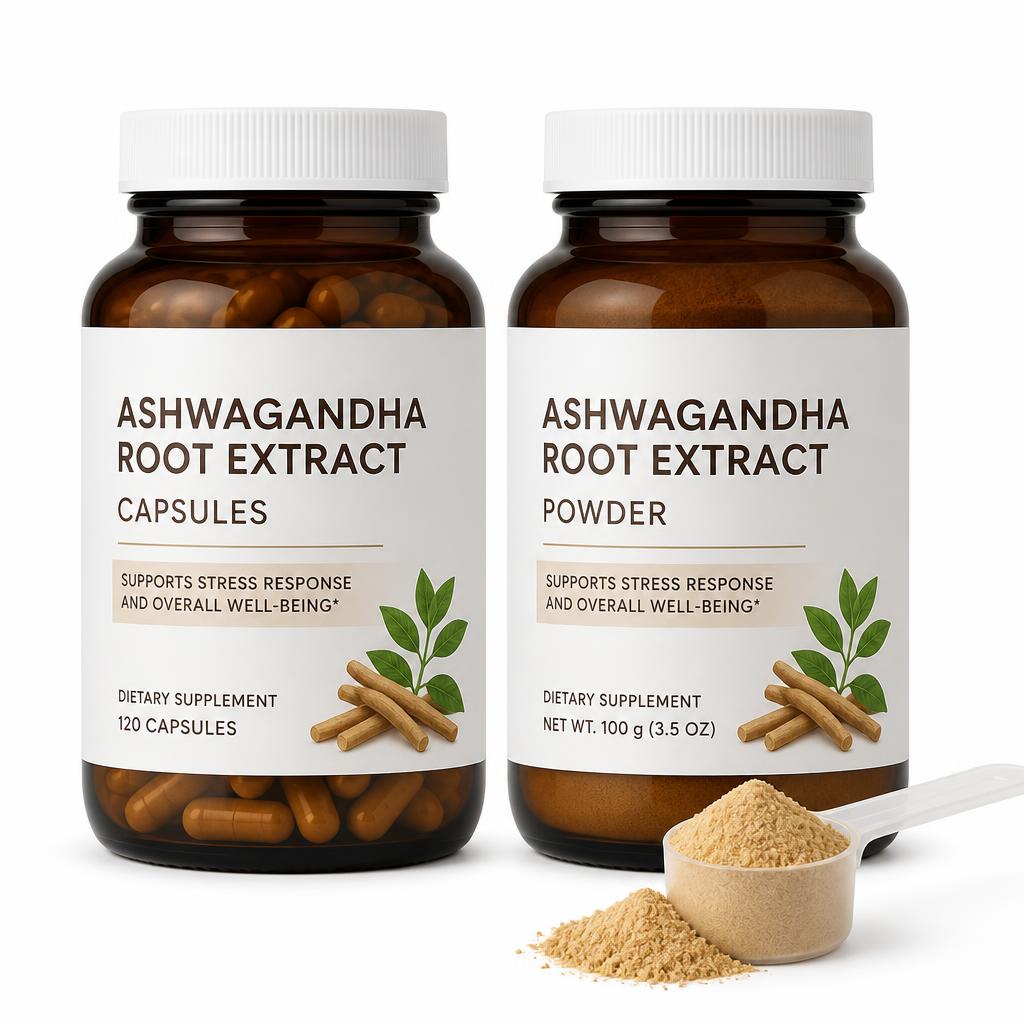
Ashwagandha is an adaptogenic herb used for stress support, sleep quality and energy. The root extract comes in two main forms. KSM-66 uses root only. Sensoril uses root plus leaf. Both contain withanolides. Standard doses range from 300mg to 600mg daily. Ashwagandha does not require a prescription. It is sold over the counter in the United States.
Unlike pharmaceutical anxiety drugs, ashwagandha works gradually. Most users notice changes within two to four weeks. The herb has been used in Ayurvedic practice for over three thousand years. Modern extracts standardize withanolide content for consistent dosing. Consumers buying ashwagandha online should verify third-party testing and withanolide percentage.
- Forms: KSM-66 (root only, 5% withanolides) or Sensoril (root + leaf, 10% withanolides)
- Dose: 300mg to 600mg daily, split into two doses
- Status: Over-the-counter supplement, not FDA approved
- Primary use: Stress support, sleep quality, cortisol modulation
What Is Ashwagandha
Ashwagandha (Withania somnifera) is a small shrub native to India and North Africa. The root and leaves contain bioactive compounds called withanolides. These compounds modulate the hypothalamic-pituitary-adrenal axis. This affects cortisol levels and stress response.
Supplement manufacturers sell ashwagandha in several forms. KSM-66 is a full-spectrum root extract standardized to five percent withanolides. Sensoril combines root and leaf extracts standardized to ten percent withanolides. Raw root powder contains unstandardized withanolides. Capsules, tablets and gummies are the most common delivery forms. Consumers should choose standardized extracts for predictable results.
How Ashwagandha Works
Ashwagandha binds to GABA receptors in the brain. This produces a calming effect similar to mild herbal sedation. The herb also reduces cortisol secretion from the adrenal glands. High cortisol disrupts sleep, increases abdominal fat and impairs immune function.
Key mechanisms:
- Cortisol modulation: A 2019 double-blind study of 64 adults found that 300mg of high-concentration ashwagandha root extract twice daily for 60 days reduced serum cortisol by 27.9 percent.
- GABA activity: Supports relaxation without the drowsiness of pharmaceutical sedatives.
- Anti-inflammatory: Withanolides inhibit NF-kB pathway activity.
- Hormonal support: May support testosterone in men and thyroid T4 conversion.
A 2025 prospective observational study of 191 adults found that KSM-66 at 600mg daily over 12 months was safe. No serious adverse events occurred. Serum cortisol modestly declined. Quality of life scores improved significantly.
Ashwagandha Dosage and Strengths
Available Forms
Manufacturers produce ashwagandha in several strengths. Your choice depends on the extract type and your goals.
- 300mg KSM-66 capsules: Standard starting dose for stress and sleep support.
- 500mg root extract capsules: Common for general adaptogenic use.
- 600mg KSM-66 tablets: Upper standard dose used in clinical trials.
- 450mg Sensoril capsules: Higher withanolide concentration per milligram.
- Raw root powder: One to two grams daily. Less predictable than extracts.
Standard Adult Dosing
For stress support, most studies use 300mg to 600mg of KSM-66 daily. Split into two doses. Morning and evening. For sleep, some users take 300mg one hour before bed.
For athletic performance and testosterone support, studies use 600mg daily for eight to twelve weeks. Do not exceed 1000mg daily without medical supervision. Higher doses increase the risk of stomach upset and thyroid interaction. Always start with 300mg to assess tolerance.
The NIH Office of Dietary Supplements notes that benefits appear greater with doses of 500 to 600mg per day than with lower doses.
Missed Dose Instructions
Take the missed dose when you remember. Skip it if the next dose is within four hours. Do not double the dose. Doubling increases the risk of nausea and drowsiness. Consistency matters more than exact timing.
KSM-66 vs Sensoril vs Raw Powder
KSM-66 and Sensoril are the two most studied extracts. They differ in plant parts used and withanolide concentration.
KSM-66 uses root only. It contains five percent withanolides. This extract is studied primarily for stress reduction and athletic endurance. Sensoril uses root and leaf. It contains ten percent withanolides. This extract is tested for metabolic and cognitive endpoints.
Raw root powder contains unstandardized withanolides, typically 0.5 to 2 percent. Potency varies by harvest and soil conditions. Raw powder is cheaper but less predictable. Choose KSM-66 or Sensoril for consistent results.
Patients taking melatonin for sleep should consult a doctor before adding ashwagandha. Both herbs affect sleep architecture.
Side Effects
Common Side Effects
Most users tolerate ashwagandha well. Mild effects usually resolve within one week:
- Drowsiness or sedation
- Stomach upset or nausea
- Diarrhea at doses above 600mg
- Dry mouth
- Headache
Serious Side Effects
Stop taking ashwagandha and contact a doctor if you experience:
- Severe allergic reaction: difficulty breathing, hives, facial swelling
- Rapid heartbeat or palpitations
- Severe stomach pain with vomiting
- Signs of liver trouble: yellowing skin, dark urine, extreme fatigue
- Thyroid changes: unexplained weight loss, heat intolerance, tremor
Who Should Not Take Ashwagandha
Ashwagandha is not recommended for pregnant or breastfeeding women. Safety data is insufficient. Do not use if you have autoimmune disease unless supervised by a doctor. The herb stimulates immune function. This may worsen lupus, rheumatoid arthritis or multiple sclerosis.
Stop use two weeks before surgery. Ashwagandha may interact with anesthesia. Do not give to children under twelve. Pediatric safety has not been established. People with nightshade allergies should avoid ashwagandha. It belongs to the Solanaceae family.
Warnings and Precautions
Ashwagandha affects thyroid hormone production. It may increase T4 levels. Patients with hyperthyroidism or Graves disease should avoid it. Patients on thyroid medication require monitoring.
The herb may lower blood sugar. Diabetics on insulin or oral hypoglycemics should monitor glucose closely. Blood pressure may drop slightly. Combine with caution if you take antihypertensives.
Do not mix with alcohol or pharmaceutical sedatives. The combination increases drowsiness and impairs coordination. Do not drive after taking high doses.
Drug Interactions
Ashwagandha interacts with several medication classes. Always provide your doctor with a complete list.
- Thyroid medications (levothyroxine): May increase T4. Monitor TSH.
- Diabetes medications (insulin, metformin): May enhance hypoglycemic effect.
- Blood pressure drugs: May add to hypotensive effect.
- Immunosuppressants: Ashwagandha stimulates immunity. Reduces drug effectiveness.
- Benzodiazepines and sedatives: Additive CNS depression.
People using MCT oil or other supplements should disclose all products to their doctor before starting ashwagandha.
Ashwagandha and Pregnancy
Ashwagandha is not proven safe during pregnancy. Animal studies show possible fetal risk. Human data is lacking. Avoid use during conception, pregnancy and breastfeeding. The herb may cause uterine contractions.
Overdose Information
Overdose symptoms include severe drowsiness, vomiting, diarrhea and low blood pressure. There is no established lethal dose. Treatment is supportive. Hydration and rest. Contact poison control if you exceed 2000mg in a single dose.
What to Look for on the Label
Reading an ashwagandha label prevents wasted money and unsafe ingredients. Follow these rules.
- Withanolide percentage: KSM-66 should list 5 percent. Sensoril should list 10 percent. Raw powder often lists nothing.
- Extract type: KSM-66 uses root only. Sensoril uses root and leaf. Choose based on your goal.
- Third-party testing: USP verified or NSF certified seals indicate independent quality control.
- Heavy metals: Plant roots absorb lead from soil. Choose products tested for heavy metals.
- Expiration date: Withanolides degrade after two years. Check the date before buying.
These same rules apply to other adaptogens and supplements. Always verify certification and standardization.
Storage and Handling
Store ashwagandha capsules at room temperature. Keep away from moisture and direct sunlight. Do not store in the bathroom. Keep out of reach of children. Discard expired products. Do not use if the seal is broken.
Frequently Asked Questions
Is ashwagandha FDA approved?
No. The FDA does not review dietary supplements for safety and effectiveness before they go to market. Manufacturers must ensure safety and accurate labeling. The FDA monitors adverse events after products reach the market.
How fast does ashwagandha work?
Stress relief appears within two to four weeks. Sleep improvement takes three to six weeks. Testosterone and strength benefits require eight to twelve weeks of daily use.
Can you take ashwagandha daily?
Yes. Studies use 300mg to 600mg daily for up to three months. Take a one-week break after twelve weeks. This prevents tolerance and allows your body to reset.
What is the difference between KSM-66 and Sensoril?
KSM-66 uses root only. It contains five percent withanolides. Sensoril uses root and leaf. It contains ten percent withanolides. KSM-66 is better for stress and athletic performance. Sensoril is better for sleep and cognitive support.
Does ashwagandha cause weight gain?
No. Ashwagandha does not cause weight gain. Some studies show it supports weight management through cortisol reduction. It is not a weight loss drug.
Can you drink alcohol with ashwagandha?
Moderate alcohol is generally safe. Avoid heavy drinking. Alcohol increases drowsiness. It also raises cortisol. This counteracts ashwagandha benefits.
Is ashwagandha safe for long-term use?
Studies show safety up to three months at 600mg daily. Long-term data beyond three months is limited. Take a break after twelve weeks. Consult your doctor before extending use.
What should I look for on an ashwagandha label?
Look for withanolide percentage. KSM-66 should list 5 percent. Sensoril should list 10 percent. Choose products with USP or NSF certification. Verify heavy metal testing. Check expiration dates within 24 months.
Can ashwagandha replace anxiety medication?
No. Ashwagandha supports stress response. It does not treat clinical anxiety disorders. Do not stop doctor-prescribed treatment without consulting your doctor. Use ashwagandha as a complement, not a replacement.
Does ashwagandha quality vary by brand?
Yes. The supplement industry is not regulated like pharmaceuticals. Potency varies between brands. Some products contain less withanolides than stated on the label. Independent testing by USP or NSF reduces this risk. Always choose products with disclosed withanolide percentages. Avoid proprietary blends.
Questions about ashwagandha? Email us at [email protected]. We read every message. Response time is typically one business day. We do not provide medical advice by email. For emergencies, call 911.
Editorial Standards: Our team reviews medical literature and FDA labeling to produce accurate patient guides. We do not sell supplements. Content is written and fact-checked by the VippHealth Editorial Team. Last updated on July 29, 2026. We regularly update this page to reflect the latest FDA guidelines and clinical research on supplement safety.
Important Medical Disclaimer
This guide provides educational content only. It does not replace medical advice. Talk to your doctor before starting any supplement. Do not use this site to diagnose or treat any condition. It is not reviewed by a licensed pharmacist or physician.
Emergency Notice: If you experience severe allergic reaction symptoms (difficulty breathing, facial swelling, hives) after taking ashwagandha, seek emergency care immediately. For suspected overdose, contact Poison Control at 1-800-222-1222 or call 911.
Sources and References
- NIH Office of Dietary Supplements — Ashwagandha: Is it helpful for stress, anxiety, or sleep?
- PubMed — A Prospective, Randomized Double-Blind, Placebo-Controlled Study of Safety and Efficacy of a High-Concentration Full-Spectrum Extract of Ashwagandha Root (PMC3573577)
- PubMed — Ashwagandha as an Adaptogenic Herb: Clinical Trials and Mechanisms (PMC12680924)
- Phytotherapy Research — Safety of 12-Months Administration of Ashwagandha Standardized Root Extract (Salve et al., 2025)
- WebMD — Ashwagandha: Uses, Side Effects, and More